%2Ffit-in%2F250x250%2Fguide_websites%2F6074%2Fimages%2Fimageedit_3_9270515466.png&w=1920&q=100)
Striped Bass Fishing Near Brigantine with Mark
Striped Bass Fishing in Atlantic City
5.0

4 Reviews
- 5
 100%
100% - 4
 0%
0% - 30%
- 20%
- 10%
%2F%2Fusers%2F614b91f8-3056-4231-be0a-d1fa4b1cfac6%2Fimages%2Ffishing-atlantic-city-nj-6405.png&w=1920&q=75)
The Morone Saxatilis belongs to the order Perciformes and family Moronidae. It typically measures between 20 and 55 inches in length, with a weight range from 10 to 81 lbs. Habitat: river, lake, onshore, near shore. - Popular game fish for recreational and commercial fishers. - Also known as Atlantic Striped Bass, Stripers, or Linesider.
Fishing Charter by Captain Mark Schrenk in August
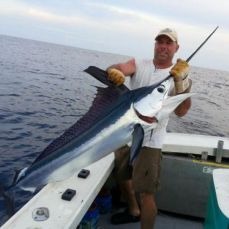
Meet your Captain Mark Schrenk
- Atlantic City and Brigantine Fishing Charters


Summary
Captain Mark Schrenk of Jessie James Charters on Wednesday July delivered an outstanding inshore fishing charter targeting striped bass, bluefish, and California flounder in Atlantic City waters. This 4-8 hour charter fishing experience combines trolling, jigging, and heavy tackle techniques along the nearshore waters where summer conditions bring active gamefish close to shore. With all equipment included and options for small groups up to 6 anglers, these Atlantic City fishing charters offer both novice and experienced fishermen the chance to land trophy striped bass and hard-fighting bluefish in some of New Jersey's most productive inshore fishing grounds. The seasonal bite peaks during summer months when warm water temperatures concentrate baitfish and predators along the coast.
Fishing Charter with Captain Mark Schrenk – Rates & Booking
Captain Mark Schrenk of Jessie James Charters on Wednesday July offers comprehensive 4, 6, and 8-hour fishing charter options departing from Atlantic City. These inshore fishing trips accommodate up to 6 guests and include all necessary tackle, bait, and safety equipment. Rates vary by trip duration with new clients receiving a complimentary Jessie James Charters t-shirt. A customary 20% gratuity for the first mate is appreciated. Book online or call to secure your preferred departure time and charter length.
Highlights of Fishing Charters In Atlantic City | 4 To 8 Hour Charter Trip
These Atlantic City fishing charters target diverse species including striped bass, bluefish, black sea bass, fluke, tautog, bonito, and Spanish mackerel using multiple techniques. The flexibility of 4-8 hour options allows anglers to customize their experience based on skill level and available time. Summer conditions provide excellent opportunities for both casting lures near shore and working deeper waters with heavy tackle.
Captain Mark's local knowledge of Atlantic City's productive fishing grounds ensures consistent action throughout the trip. The combination of trolling, jigging, and kite fishing techniques keeps the day varied and engaging for all experience levels.
Local Species Insights: Striped Bass
Striped bass thrive in Atlantic City's nearshore waters during summer months when baitfish concentrate along the coast. These powerful gamefish respond well to both live bait and artificial lures, particularly when worked around structure and current breaks. July conditions bring stripers into shallow water where they feed aggressively on bunker, spearing, and other forage fish. The combination of warm water temperatures and abundant prey makes this an ideal time for targeting trophy-sized striped bass using light to medium tackle.
Plan Your Fishing Charter Day
Your Atlantic City fishing charter includes a fully equipped vessel with modern electronics, safety gear, and all necessary fishing equipment. The boat comfortably accommodates up to 6 anglers with ample deck space for casting and fighting fish. Departure times are scheduled to take advantage of optimal tide and weather conditions. Captain Mark provides instruction on techniques and assists with fish handling, making these trips suitable for beginners while still challenging for experienced anglers.
Fishing in Atlantic City: California Flounder, Bluefish and Striped Bass

The Striped Bass (Morone saxatilis), commonly called stripers or linesiders, belongs to the Perciformes order and Moronidae family. This iconic Atlantic gamefish features distinctive horizontal stripes running along its silvery sides and can reach impressive sizes up to 55 inches and 81 pounds. In Atlantic City waters this July, striped bass congregate near shore to feed on abundant baitfish.
Striped Bass Overview
Striped bass are among the most sought-after gamefish along the Atlantic coast, prized for their powerful fights and excellent table fare. These anadromous fish spend most of their adult lives in saltwater but return to freshwater rivers to spawn, making them available to both inshore and nearshore anglers throughout their range.
Striped Bass Habitat and Distribution
These adaptable fish inhabit rivers, lakes, onshore, and nearshore environments from Maine to North Carolina. Around Atlantic City, stripers frequent shallow bays, inlet mouths, and nearshore waters where they ambush schools of bunker, spearing, and other forage fish along current edges and structure.
Striped Bass Size and Weight
Atlantic striped bass typically range from 20 to 55 inches in length, with weights spanning 10 to 81 pounds. Trophy fish over 40 pounds are caught annually in New Jersey waters, while keeper-sized fish between 28-35 inches provide consistent action for charter boat anglers.
Striped Bass Diet and Behavior
Stripers are opportunistic predators feeding on bunker, herring, anchovies, eels, crabs, and squid. They hunt in schools during dawn and dusk periods, often driving baitfish to the surface in spectacular feeding frenzies that attract diving birds and alert anglers to their presence.
Striped Bass Spawning Season
Spawning occurs in spring when water temperatures reach 55-65°F, with fish migrating to freshwater rivers and tributaries. After spawning, adult stripers return to coastal waters where they feed heavily throughout summer and fall before moving south for winter.
Striped Bass Fishing Techniques
Effective methods include trolling with bunker spoons, casting topwater plugs during feeding activity, and live-lining eels or bunker near structure. In July around Atlantic City, anglers find success using heavy tackle for larger fish while light spinning gear provides exciting battles with schoolie-sized stripers.
Striped Bass Is It Good to Eat?
Striped bass offers firm, white meat with mild flavor that adapts well to grilling, baking, or broiling. Rich in protein and omega-3 fatty acids, stripers provide excellent nutrition while maintaining relatively low mercury levels compared to other large predatory fish.
Striped Bass Frequently Asked Questions
Q: What is the best bait for striped bass?
A: Live bunker, eels, and herring are top choices, while artificial lures like spoons, plugs, and soft plastics also produce excellent results.
Q: Where can I find striped bass near Atlantic City?
A: Look for stripers around inlet mouths, bridge pilings, shallow bays, and nearshore waters where baitfish concentrate during tide changes.
Q: Is striped bass good to eat?
A: Yes, striped bass provides excellent table fare with firm, flaky white meat that's versatile for various cooking methods and rich in healthy proteins.
Q: When is the best time to catch striped bass?
A: Early morning and evening hours during moving tides typically produce the best action, with summer months offering consistent opportunities in Atlantic City waters.
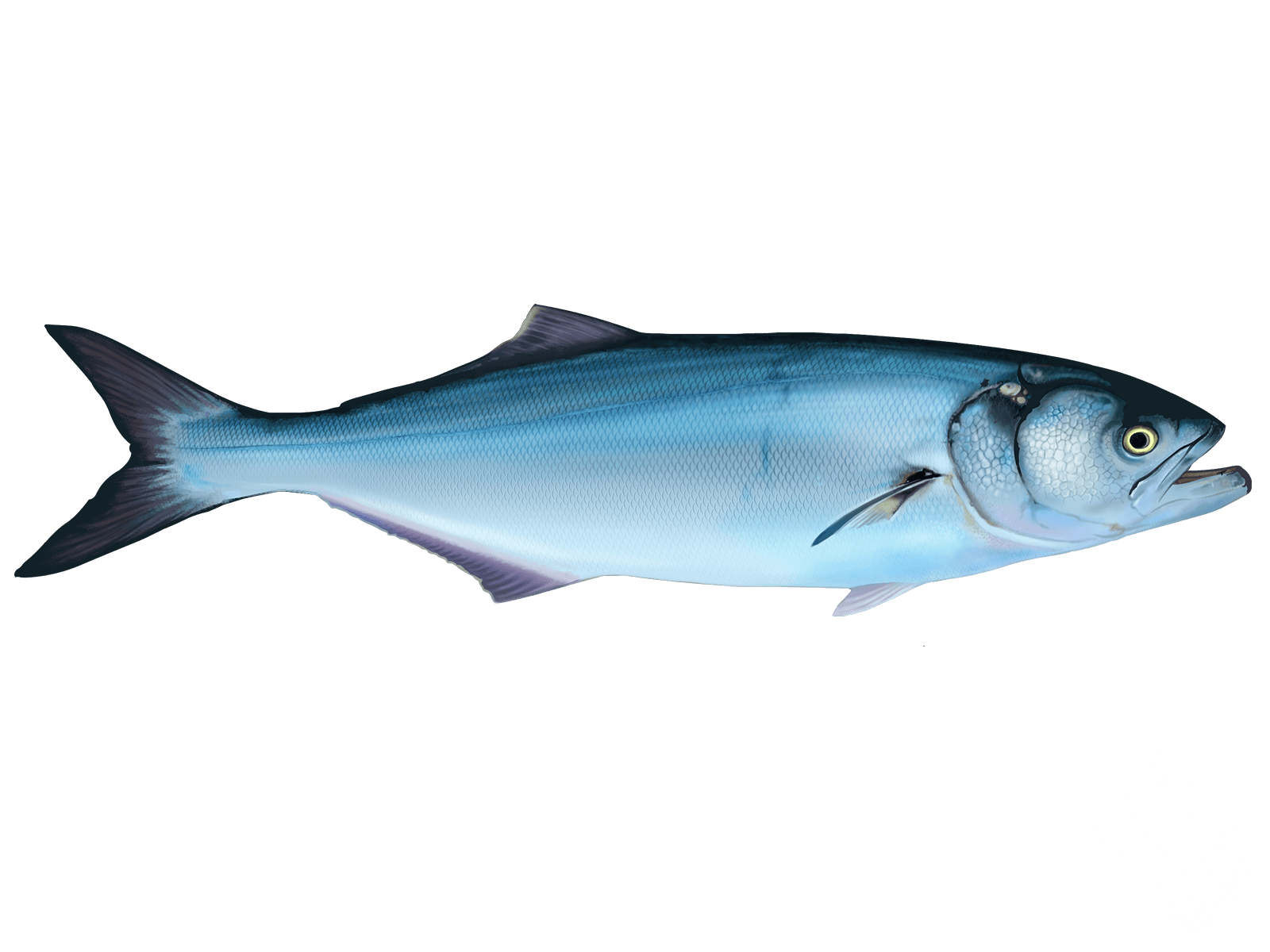
Bluefish (Pomatomus saltatrix) are aggressive predators belonging to the Perciformes order and Pomatomidae family. These warm-water migrants range from 15 to 51 inches and weigh between 3 to 15 pounds, making them exciting targets for Atlantic City anglers. Known for their razor-sharp teeth and voracious appetite, bluefish provide thrilling action during summer months.
Bluefish Overview
Bluefish are among the most aggressive gamefish in Atlantic waters, famous for their feeding frenzies and powerful runs. These migratory fish travel the Atlantic from Nova Scotia to Argentina, arriving in New Jersey waters during late spring and remaining through fall.
Bluefish Habitat and Distribution
These pelagic predators inhabit nearshore and onshore waters throughout their range, preferring areas with strong currents and abundant baitfish. Around Atlantic City, bluefish frequent inlet mouths, nearshore waters, and areas where tide rips concentrate schools of bunker and spearing.
Bluefish Size and Weight
Atlantic bluefish typically measure 15 to 51 inches with weights ranging from 3 to 15 pounds. Larger specimens, called choppers, provide the most exciting battles, while smaller snappers offer excellent light-tackle action for beginning anglers.
Bluefish Diet and Behavior
Bluefish are voracious predators that hunt in schools, slashing through baitfish with their sharp teeth. They feed on bunker, herring, anchovies, and squid, often creating spectacular surface feeding displays that can be seen and heard from considerable distances.
Bluefish Spawning Season
Spawning occurs in offshore waters during spring and early summer when water temperatures reach optimal levels. After spawning, adult bluefish move inshore to feed heavily, making summer the prime time for targeting these aggressive gamefish.
Bluefish Fishing Techniques
Effective methods include trolling with spoons or plugs, casting metal jigs during feeding activity, and using wire leaders to prevent bite-offs. In July around Atlantic City, kite fishing and surface plugs produce explosive strikes when bluefish are actively feeding.
Bluefish Is It Good to Eat?
Fresh bluefish offers rich, flavorful meat that's excellent when grilled, broiled, or smoked. The oily flesh is high in omega-3 fatty acids and provides robust flavor that pairs well with citrus and herbs, though it should be consumed fresh for best taste.
Bluefish Frequently Asked Questions
Q: What is the best bait for bluefish?
A: Metal jigs, spoons, and cut bunker work well, but use wire leaders as bluefish have extremely sharp teeth that easily cut through monofilament.
Q: Where can I find bluefish near Atlantic City?
A: Look for diving birds and surface activity indicating feeding schools, typically found around inlet mouths and nearshore waters during tide changes.
Q: Is bluefish good to eat?
A: Yes, when fresh, bluefish provides rich, flavorful meat that's excellent grilled or broiled, though it's best consumed within a day or two of catching.
Q: When is the best time to catch bluefish?
A: Early morning and evening during active feeding periods, with summer months providing the most consistent action in Atlantic City waters.
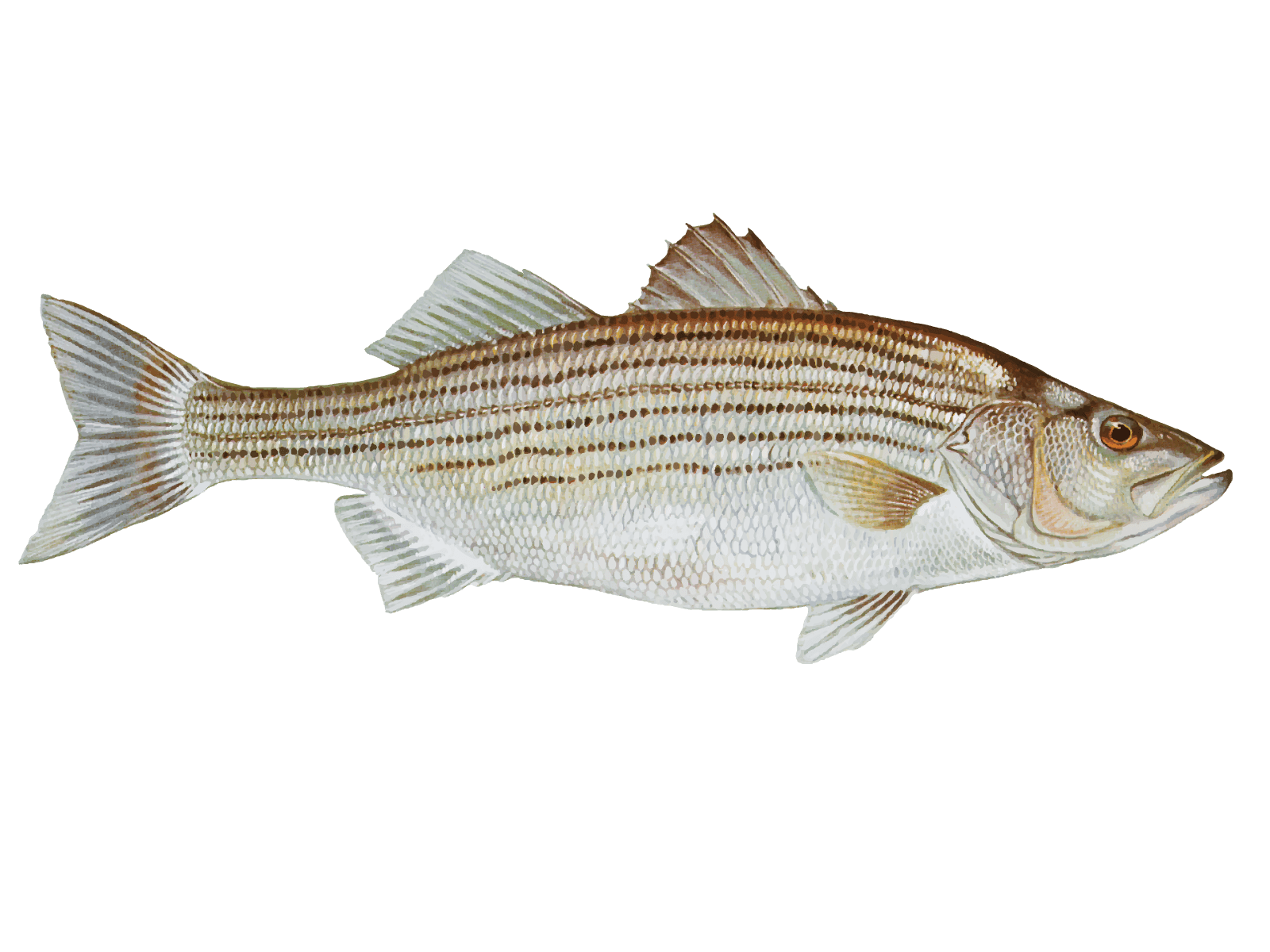
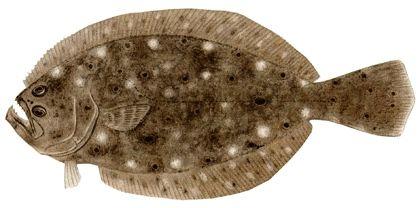
California Flounder (Paralichthys californicus), also known as California Halibut, belongs to the Pleuronectiformes order and Paralichthyidae family. These flatfish are notable for their small head and well-developed large teeth, measuring 54 to 60 inches and weighing 6 to 30 pounds. They inhabit inshore and nearshore waters where they ambush prey from sandy bottoms.
California Flounder Overview
California flounder are prized gamefish known for their excellent table fare and challenging fights. These flatfish are masters of camouflage, lying buried in sand waiting to ambush unsuspecting prey that ventures too close to their hiding spots.
California Flounder Habitat and Distribution
These bottom-dwelling fish prefer sandy and muddy bottoms in inshore and nearshore waters. They frequent areas with structure, drop-offs, and current edges where they can effectively hunt for prey while remaining concealed in the substrate.
California Flounder Size and Weight
California flounder typically range from 54 to 60 inches in length with weights spanning 6 to 30 pounds. Larger specimens provide excellent battles on appropriate tackle, while keeper-sized fish offer consistent action for bottom fishermen.
California Flounder Diet and Behavior
These predators feed on small fish, crabs, shrimp, and various bottom-dwelling invertebrates. They use their excellent camouflage to remain hidden in sand until prey comes within striking distance, then quickly engulf their target with their large mouth.
California Flounder Fishing Techniques
Effective methods include bottom fishing with live or cut bait, drifting over sandy areas, and using light tackle to detect subtle bites. Successful anglers focus on areas with current and structure where these fish congregate to feed.
More species you can explore on this trip
Jessie James Charters Available Trips
Other customer memories from this trip
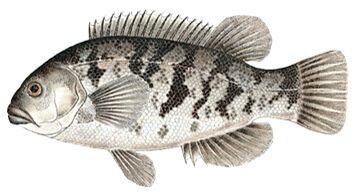
Hop aboard our Atlantic City fishing charter for a day of reeling in the big ones! We offer flexible 4, 6, and 8-hour trips, so you can fit some fishing into your schedule whether you're an early bird or prefer a later start. Our seasoned crew knows all the hotspots for hooking Black Sea Bass, Bluefish, Striped Bass, Fluke, Tautog, Bonito, and Spanish Mackerel. With room for up to 6 guests, it's perfect for a group outing or family adventure. Don't forget to bring some cash to tip our hardworking first mate - 20% is the usual way to show your appreciation for their efforts. And here's a bonus: if it's your first time fishing with us, we'll hook you up with a free Jessie James Charters t-shirt to remember your day on the water. So grab your sunscreen, pack some snacks, and get ready for a great day of fishing off the Jersey shore!